 Horse Country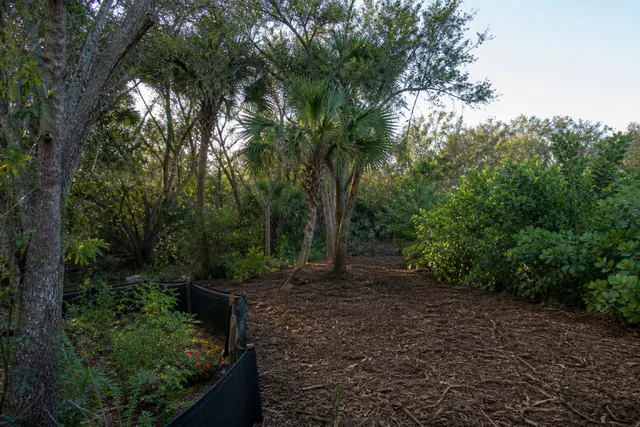
Horse Country Clearing puts Coconut Creek property owners in touch with a local land clearing contractor who takes on mulching, clearing, and exotic removal across the Coconut Creek area.
Coconut Creek — 57,833 residents at the 2020 Census — planned itself around greenery and means it: the city brands itself the Butterfly Capital, its communities wrap around preserves and greenways, and its code takes landscaping personally. Clearing here is therefore the selective kind: nobody is leveling a Coconut Creek lot, but plenty of owners and associations need the exotics culled out of ground the natives are supposed to own.
The preserve-edge lot is the defining job. Where a backyard runs up against a conservation tract or greenway buffer, the boundary zone accumulates escapee exotics — pepper, earleaf acacia, downy rose myrtle — threading through the oaks and cocoplum that belong there. The clearing pass is botanical triage at machine speed: invasives ground or extracted stem by stem, natives untouched, and the property line's silt fence keeping every disturbance on the right side.
The same selective discipline serves the city's landscaped communities: common-area beds gone woody, lake margins thickening, buffers between villages needing their understory reset. It's clearing with a light hand — the goal is always the landscape the plan intended, minus the invaders it collected.
Working the preserve boundary properly
Preserve-adjacent work runs on two rules: know exactly where the line is, and disturb nothing across it. Surveyed boundaries get flagged before machines arrive, buffer requirements confirmed with the managing entity, and erosion control set where grades run toward protected wetland. Broward's conservation framework is administered through programs like the county's natural resource office, and exotic removal along these edges is generally the welcome direction — the same species being cleared from your side are being fought on the preserve side with public money.
Regional coordination bodies cataloged by the Florida Invasive Species Partnership exist precisely because property-line clearing like this is where the landscape war is actually won or lost.
Clearing around a butterfly city's plantings
Coconut Creek yards routinely include deliberate pollinator and butterfly gardens — milkweed, firebush, wild coffee — that a careless machine pass would erase along with the weeds. Selective jobs here start with a marking walk: keeper beds taped off, host plants identified, and the machine path planned to spare them. The FWC's invasive plant resources help sort look-alikes — lantana's invasive forms versus natives, for instance — before anything gets cut.
The finish honors the city's aesthetic: mulched surfaces rather than raw sand, edges feathered into kept vegetation, and no windrow left where the HOA's architectural committee will find it. Selective clearing succeeds when the after photo looks curated, not cleared.
Further reading
Worth knowing first
Can you remove exotics without touching my native plantings?
Yes — that's the entire method for Coconut Creek: marking walk first, keeper vegetation flagged, then stem-by-stem removal. The machine does less of the work and the plan does more, which the quote reflects honestly.
My lot backs a preserve — am I allowed to clear anything?
On your side of the surveyed line, invasive exotics are generally fair game and often encouraged; the buffer zone rules depend on your community's plat and covenants. Establishing both — line and rules — is step one of the quote, not an afterthought.
Will selective clearing cost more than just leveling the area?
Per stem, yes; per outcome, no. Leveling isn't an option on most Creek parcels anyway — code and covenants protect canopy — so the comparison is selective work versus doing nothing while the exotics keep recruiting.
Do you coordinate with our HOA's landscape committee?
Routinely — scope drawings, species lists, and finish specs in whatever form the committee wants. Approvals move faster when the paperwork anticipates the questions.
What regrows after the exotics come out?
Whatever you plant plus whatever the seed bank sends — so the plan includes either replacement natives or a maintenance agreement for the first two seasons. Cleared-and-abandoned edges refill with the same invaders; cleared-and-managed edges go native and stay.